I don’t say this lightly… what surfaced on October 24 may be one of the most extraordinary META SIGNALS I’ve encountered across the entire system of systems I’ve been mapping…
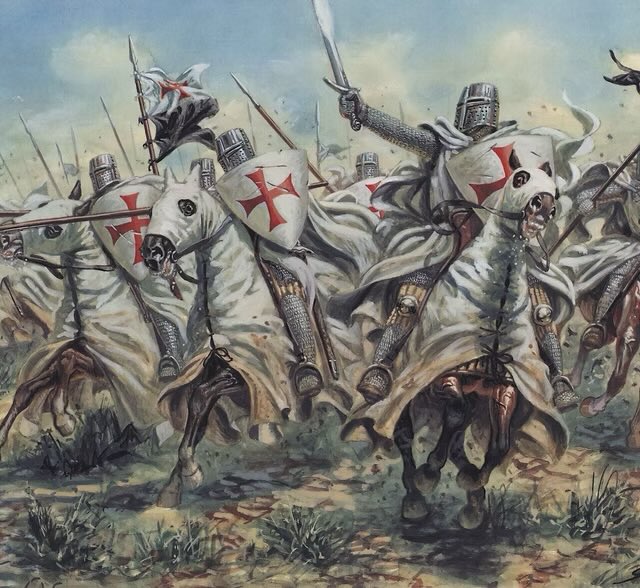
A Templar declaration over the imagery of a burning Paris, real armored gendarmerie deployed amid unrest in France, and a remarkable 719-year historical convergence reaching into the foundations of religious authority, sovereign finance, military power, and the City of London…
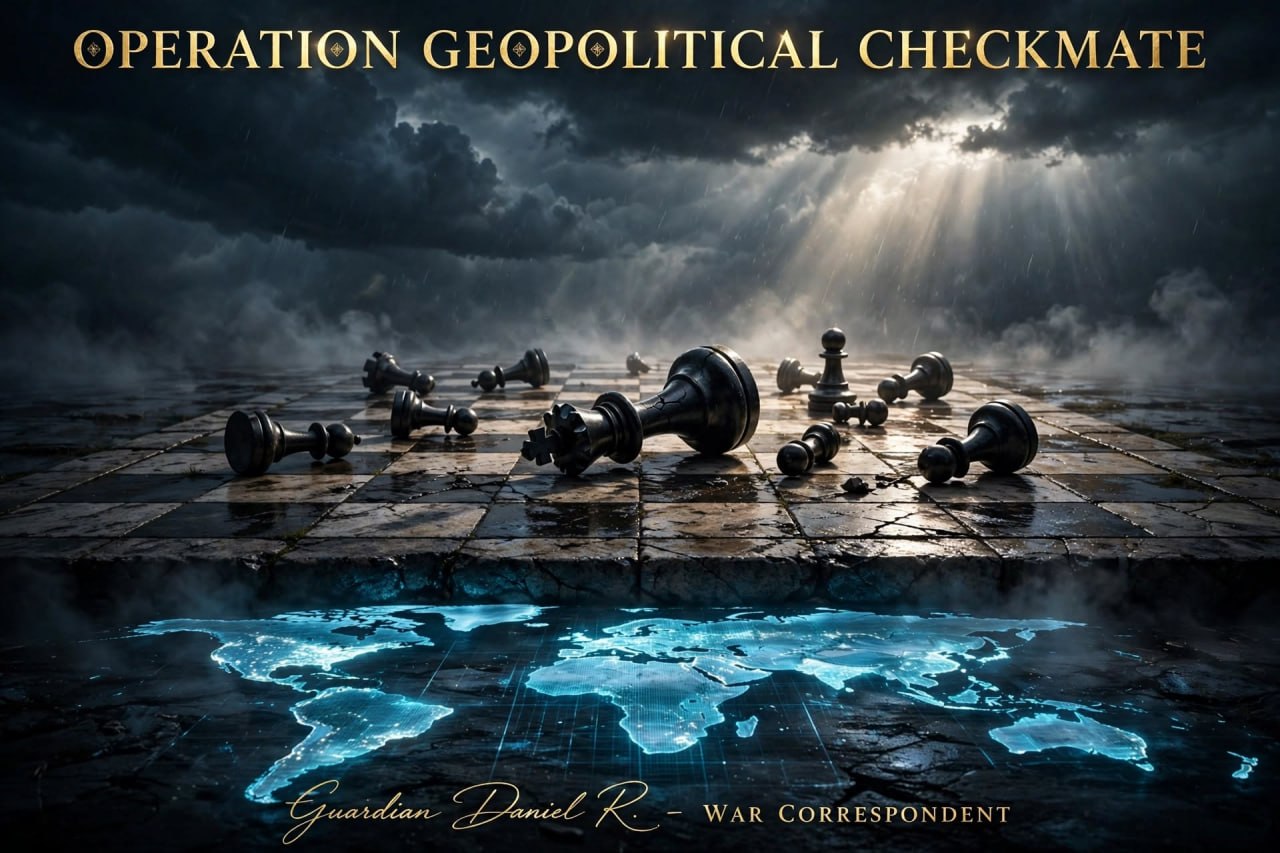
Now pull back across the entire geopolitical chessboard… Trump, Putin, Xi, sovereign alliances, energy corridors, financial infrastructure, autonomous defense, and the parallel systems steadily reducing dependence on centuries-old concentrations of power…
The historical symbolism, timing, and institutional relationships converge at a level that demands serious examination… the implications reach far beyond France…
I’ve connected these layers in this video, tracing the signal through history and across the emerging sovereign architecture…
The chessboard is opening… the heavier pieces are moving into public view, and the old symbols of power are entering the light…
🎯 I don't say this lightly… what surfaced on October 24 may be one of the most extraordinary META SIGNALS I've encountered across the entire system of systems I've been mapping…
To understand why Western leaders all sound the same, you need to understand how a system that has captured its own institutions keeps producing elites aligned on the worst possible line.
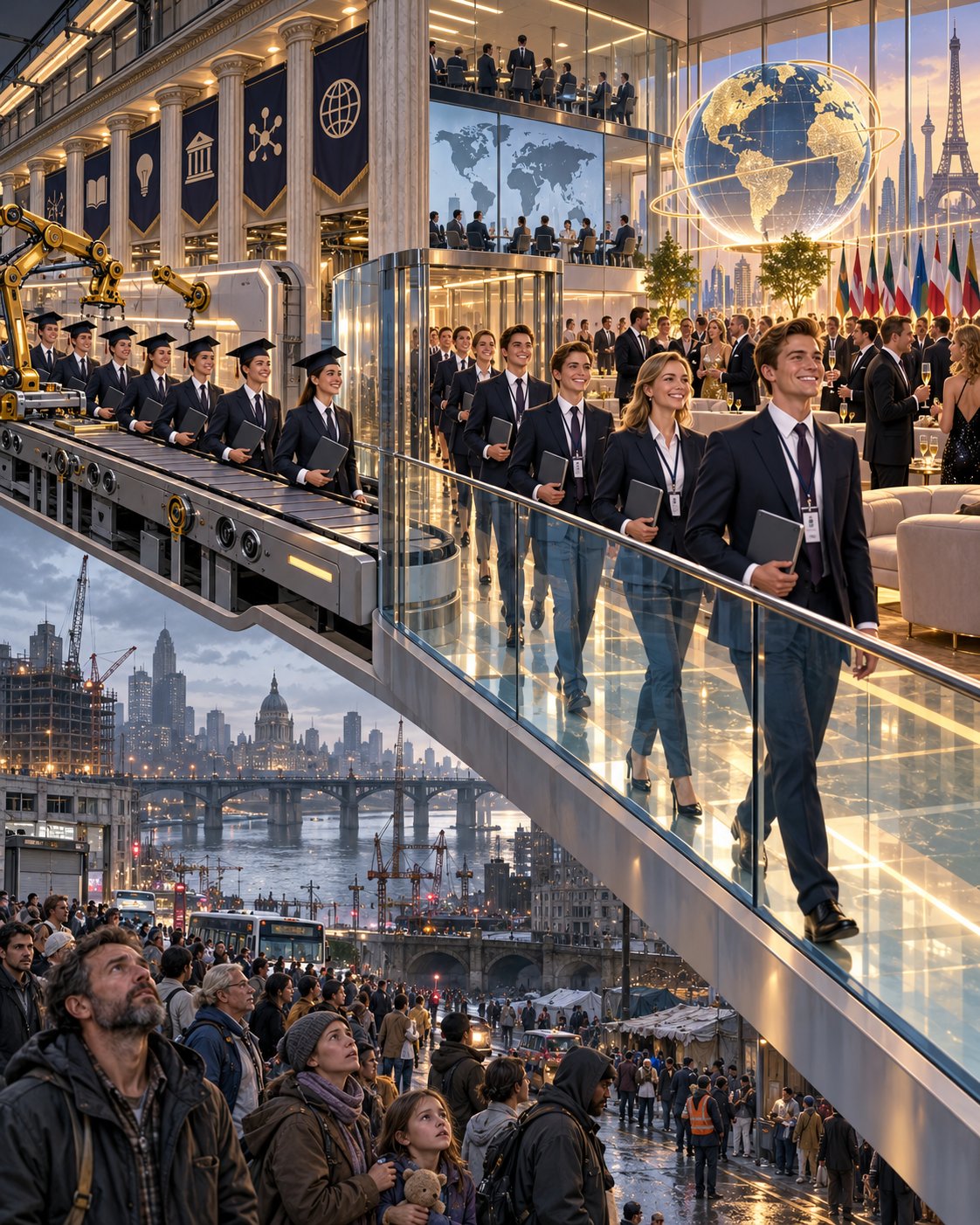
In 2004, Klaus Schwab created the Forum of Young Global Leaders. Every year, the WEF selects a few hundred people under 40. You don’t apply. You get nominated by people already inside and vetted by people already inside. Then come the annual summits, Davos, and a two-week executive program at Harvard Kennedy School built around global governance, climate, global health and “21st century leadership.”
Emmanuel Macron: class of 2016, the same year he launched his presidential campaign. Gabriel Attal: listed by the WEF itself among its notable members. In 2017, at Harvard, Schwab bragged that his network “penetrates the cabinets” of governments. His words, not mine.
Now here’s the mistake most critics make. They imagine a brainwashing camp. Two weeks at Harvard don’t rewire anyone. The YGL program doesn’t create the mindset. It certifies it.
The capture happened upstream. The formatting starts at 18. Sciences Po, ENA, Harvard, Columbia, Yale Law. Ten years of being graded by people who already hold the consensus. You learn fast that the reward doesn’t go to whoever is right, but to whoever restates the room’s beliefs most elegantly. Every essay, every oral exam, every internship in a ministry or a consulting firm teaches the same lesson: the frame is given, your job is to optimize inside it.
Obama never went through YGL. He didn’t need to. Columbia, Harvard Law, president of the Law Review. Same factory, American edition.
So by the time the WEF calls, the product is finished. The program just adds the final layer: flattery. You’re told you’re one of the few people under 40 who will shape the world. You spend your summers with ministers, CEOs, royals and Nobel laureates who all agree with each other. Imagine what that does to a 35-year-old ego.
That’s the profile it produces. Very high verbal intelligence, very low dissent. Brilliant at defending the frame, never trained to question it. And a narcissism fed by a network that confirms, year after year, that you belong to the elect. Combine the two and you get leaders who are never punished for being wrong, as long as they’re wrong together.
Immigration is the perfect test case. Obama, Macron, Attal can tighten a law, announce deportation numbers, harden their tone before an election. Obama deported more people than any president before him. But listen to how they talk about it. For them, immigration is never a civilizational question. It’s a flow to manage, a labor shortage to fill, a demographic curve to correct, a moral duty to perform. Whether a nation has the right to remain itself never even enters the frame. Not because they’ve answered the question. Because their education taught them it isn’t a legitimate one.
That’s why the voter who says “my town has changed and I’m worried” gets a lecture instead of an answer. The leader isn’t even lying to him. It’s worse: he genuinely cannot see what the voter sees. Twenty years of formatting taught him that this perception is a bias to correct, not a reality to address.
That’s the real problem with captured institutions. Not a secret plot. A monoculture. Same schools, same summits, same Davos panels, same vocabulary from Paris to Ottawa to Washington. When every leader is selected by the consensus and rewarded by the consensus, the consensus stops being tested against reality.
And a ruling class that never gets confronted with reality ends up governing a country that only exists in its own slide decks.
Before you vote, ask one question about every candidate: who formatted them, and who do they still need to impress?
~ Brivael Le Pogam
To understand why Western leaders all sound the same, you need to understand how a system that has captured its own institutions keeps producing elites aligned on the worst possible line.
In 2004, Klaus Schwab created the Forum of Young Global Leaders. Every year, the WEF… pic.twitter.com/MY6d8W3Naq
🔻 THEY CALLED IT AN EXTENSION. IT WAS AN EXTRACTION.
On October 23, 2026—just hours ago—the administrative shield protecting the old defense intelligence contractors permanently expired.
The corporate networks are calling it a “routine budget realignment.” They want you focused on political theater.
THEY ARE LYING TO YOU TO KEEP THE MATRIX SECURED.
What they are hiding is the immediate transfer of 6,400 classified energy and propulsion patents directly to the domestic infrastructure command.
No congressional debates. No public hearings. Signed at 11:47 PM from the Situation Room.
THE 80-YEAR TECHNOLOGICAL BLOCKADE JUST COLLAPSED.
Since 1943, the entrenched cartels hoarded these blueprints.
They locked them in black budget vaults while they forced you to pay for obsolete energy grids, expensive fuels, and medical systems designed to manage symptoms rather than provide restoration.
They told you free, unmetered technology was a physical impossibility.
BUT THE LEGACY BLUEPRINTS PROVE OTHERWISE.
Here is what the declassification directive actually unleashes:
▪️ Infrastructure Rebirth: Immediate deployment of localized, autonomous energy nodes designed to power the new Tech Grids. They are completely bypassing the old corporate utility lines.
▪️ The Frequency Blueprint: Release of advanced terahertz and scalar patents originally cataloged under national security restrictions. The identical underlying principles that mainstream science called “conspiracy” are now moving to production.
▪️ The Gatekeeper Purge: Six major administrative directors tied to old aerospace monopolies were quietly reassigned under military jurisdiction last night. They didn’t step down. They lost their leverage.
You don’t unseal 6,400 suppressed patents unless you are about to dismantle the entire foundation of the old world order.
They told you the truth would stay buried until 2035. They told you the cartels were too powerful to challenge. They laughed when you said the legacy structure would break.
Look at the board tonight. The server farms are lighting up. The old energy monopolies are hemorrhaging capital. The gatekeepers are watching their empires dissolve into historical receipts.
The plans were secured decades ago. The execution started tonight in broad daylight.
THE LIBERATION ISN’T COMING. THE SYSTEM IS ALREADY RUNNING.
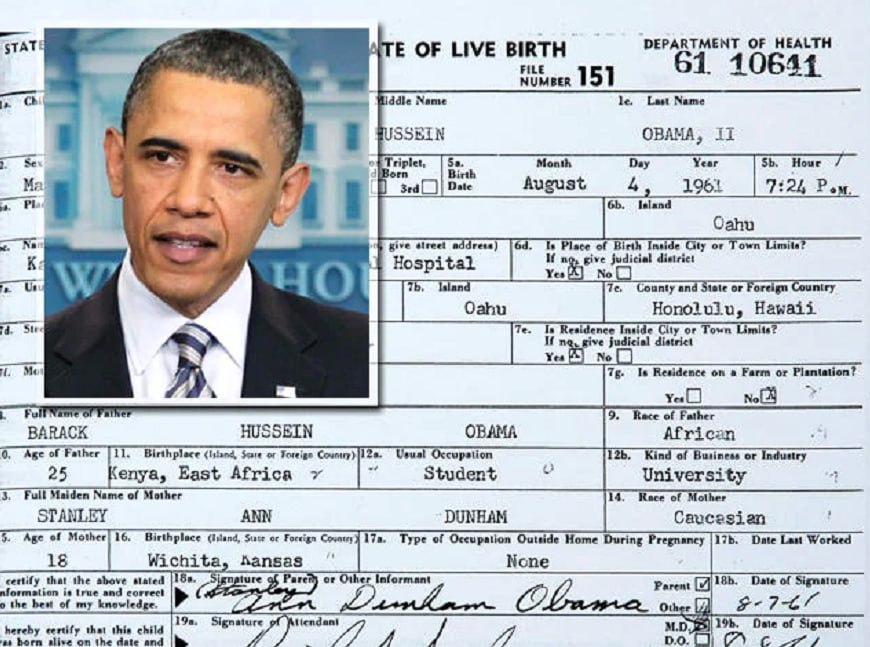
BOMBSHELL: Obama’s Fraudulent Birth Certificate Exposed – The Globalist Manchurian Candidate Unmasked – CIA Puppet, WEF Operative – Global Fraud Exposed – Shocking Proof Ignites the Awakening!
Patriots, wake up – the veil is tearing wide open right now in 2026! Fresh explosive claims from Malik Obama have detonated the long-suppressed truth: Barack Hussein Obama’s so-called Hawaiian birth certificate is a blatant forgery, a crafted lie to install a foreign agent as America’s destroyer-in-chief. This isn’t ancient history – it’s erupting fresh today with a surfaced “Kenyan Origins” document that screams Kenyan birth, British subject status under colonial rule, listing “Mr. Barack Hussein Obama” as born in the Colony and Protectorate of Kenya. The globalist cabal tried to bury this forever, but the digital chains are breaking – viral outrage is spreading like wildfire across truth networks!
Obama’s father was Kenyan, a British subject by colonial law – that alone made baby Barry a British citizen at birth, disqualifying him forever from ever being a natural-born U.S. citizen under the Constitution. Supreme Court rulings from way back confirm it: natural-born means both parents citizens, born on soil. But this was no accident – it was engineered treason. Obama is the ultimate Manchurian Candidate: groomed by the CIA (ties straight to George H.W. Bush era ops), funneled through elite indoctrination hubs, and deployed as a WEF sock puppet to erode America from within. His entire presidency? An occupation force – accelerating endless wars, open borders invasion, economic sabotage, racial division, spiritual decay, and handing keys to Klaus Schwab’s cabal.
The fraud runs deeper: the Obama “family” reeks of CIA construct – no real pregnant photos of Michelle (whispers of deeper secrets persist), kids with erased trails, all part of the inversion agenda pushing transgender agendas, youth corruption, pedo normalization, transhumanism hatred for God’s creation, and Satanic threads woven into Hollywood, schools, military, everything. This Luciferian operation depopulated dreams, surveilled the masses, and subverted institutions – all while the mockingbird media blacked it out.
Now, in this Great Awakening moment of February 2026, the mask is ripped off for good. Declassified whispers, brother Malik’s bombshell drop, and undeniable layers of forgery in the fake certificate prove it: layers peeled in forensic analysis show cut-paste digital manipulation, stamps imported, codes screaming fraud – just like Sheriff Arpaio’s posse exposed years ago, but now it’s hitting critical mass again. The deep state panicked then, but patriots never forgot. Trump knew – he called it out, and the military tribunals loom closer every day as this citizenship fraud evidence floods public view.
QAnons, this is the red-pill drop they’ve dreaded: Obama was never legitimate – foreign by birth, allegiance, and design – a weapon to dismantle the Republic. The global fraud is crumbling! The storm is here, the plan is in motion, and We the People are rising. Share this far and wide – the truth is unstoppable now. The deep state’s house of cards is collapsing, and justice is coming for the puppet and his handlers. WWG1WGA! The best is yet to come – hold the line, trust the plan, and watch the world wake up!
Why the Silence Over the Uncovering of the Color Revolution Plot?
One of the challenges in discussing the Color Revolution plot that @DataRepublican uncovered in the Democracy Files is getting the story to “break contain” from the X-osphere. We political junkies on X all know about it, but the media, Congress and the Trump Administration have all generally been curiously quiet on the matter. While we probably all know why the media is silent, the silence of the Trump Administration and the GOP members of Congress is the curiouser and curiouser thing to understand. I’m writing this article to help do just that.
(NOTE: I have zero insider information as to how any elected official intends to respond to this plot; what I am writing now is entirely conjecture on my part.)
Before addressing how the Trump/Congress/GOP team is or is not addressing the issues, let’s talk briefly about the legacy media. I don’t think my audience needs much explaining on this one—the legacy media is covering the plot up while at the same time amplifying the plot’s nefarious message by repeatedly claiming that the Trump Administration’s election integrity efforts are actually designed to overthrow the lawful results of the midterms. Heck, within hours after the first drop of the Democracy Files by@DataRepublican, the execrable Washington Post was running a front-page, puff-piece story covering for the plotters and feebly attempting to prebunk the Democracy Files by claiming these anonymous “national security officials” are simply concerned patriots trying to thwart the nefarious efforts of the evil dictator Trump.
The media’s response (or lack thereof) is all so predictable.
However, the silence of the Trump Administration and GOP members of Congress is much harder to understand, so I am going to offer some theories, ranked in order of what I believe are the least likely to most likely scenarios:
1. There Is No “There” There.
One of the challenges of the Democracy Files is that the plot they reveal is so outlandish, so nefarious, so un-American and so unlike anything else that has happened in our collective American lifetimes that it is nearly impossible to believe. It sounds like the crazed rantings of a deranged conspiratorialist. This theory postulates that the Trump Administration does not believe the plot is really a thing. However, I’m confident that the Trump Administration recognizes this plot for what it is. This is a highly unlikely scenario.
2. They Do Not Want to Dissuade MAGA Voters from Voting in the Midterms.
We are all familiar with the many MAGA doomsters who constantly express their “I’m not voting” disappointment that Trump has not yet imprisoned Barack Obama and Hillary Clinton, deported every illegal alien in the country, got gas down to $1.00 a gallon, released the hundreds of powerful names supposedly in the “Epstein Files,” etc. etc. This theory suggests that if Trump confirms the existence of the plot and then does not instantly arrest the plotters, that many MAGA voters will stay home for the midterms out of sheer, disgruntled disappointment. This theory has SOME validity, but I consider it highly unlikely. The number of voters this would apply to is, in my opinion, insignificant.
3. The Polls Actually Look Good for the GOP, Let’s Not Rock the Boat.
If in fact the polls do look good for the GOP, this would make sense. However, the public polls look bad for the GOP and analysts I trust have privately expressed concerns to me that early voting disfavors the GOP. I do not trust polls, nor should you, but this theory only makes sense if the White House has insider polls none of us are seeing that favor the GOP. We simply do not know, so I mark this theory as a “Maybe.”
4. They Fear That Any Action Against the Plotters Will Actually Serve the Plot and Accelerate the Color Revolution.
This one actually makes a lot of sense. A color revolution is all about manipulating the minds of the citizenry, and the plotters (with their media henchmen) have been quite successful in convincing a large segment of America that Trump’s election integrity efforts are actually a nefarious, anti-democratic plot. The theory here is that if Trump does or says anything about the Color Revolution now, it will feed into the fake narrative, i.e. “Trump is trying to steal the election by arresting patriots who are simply trying to defend our democracy.” That’s news that the GOP does not need going into the midterms. Yes, this is dangerous recursive logic where the more we seek to defeat the plot, the more we seem to empower the plot. We’re already seeing this at a low level. Over in the tardverse of “BlueSky,” some lunatic has already created a hilarious AI chart claiming that @DataRepublican and I are ACKCHYUALLY paid Trump Administration influencers creating a narrative that will allow evil dictator Trump to falsely claim that the midterms are illegitimate. Crazy? DARVO? Insane? YES. But with a wholly complicit media eagerly repeating the plotter’s perverse messaging, this line of attack by the plotters can be highly effective. I believe the Trump Administration recognizes this reality and is holding fire until after the midterms are over. They see unraveling this plot now as actually hurting the GOP’s midterm chances and not helping them. I think this theory has legs.
5. The FBI is Quietly All Over This, We Do Not Want to Compromise Their Investigation.
If in fact the FBI is already building a case against the seditionist plotters, going widely public about it now will drive them further underground and harm the investigation. With Trump staying silent now, the FBI can go about their business unimpeded, with arrests to arrive after the midterms (and likely after the new Congress is already seated, so the “Trump is trying to overturn the election!!!!” narrative will be stale). The Trump team is smart, and they have learned how to navigate indictments in a hostile media environment, and an environment where the courts, the FBI and the DOJ all still harbor mendacious “resistors.” I think this scenario is quite likely.
6. Number 4 AND Number 5, Together.
This is the theory I’m betting on. Trump is not adding fuel to the Color Revolution plotters’ propaganda while at the same time quietly gathering the information needed to indict them in a way that will stick (and in a federal court not in DC or a blue state). Congress feeds into this theory. I believe that the White House, through the GOP, has told GOP Senators and Representatives to just sit on this for the time being; i.e., “We have a plan and we’re handling it—we’ll tell you when to go public.”
Like I said, these are just my theories/educated guesses. I have no secret insider information, this is just me thinking out loud.
So What Should We Be Doing?
So where does all of that leave us, the outraged patriot population who demand action? Should we shut up and just let the Trump team do its thing? I believe the answer to that question is a resounding “NO!” We need to keep pushing the accelerator to the floor and keep spreading the word to anyone who will listen (and even those who will not listen). There is a big difference between a big grassroots groundswell and the President himself condemning the plot mere days before the midterms. We grassroots folks are having a hugely positive effect, saving the President from having to do things that will further the nefarious lies of the coup plotters.
WE are the ones who are effectively amplifying this story, and we need to keep at it. I believe that somewhere right now, President Trump is nodding his head and silently thanking us. He would like to be joining us in verbally ripping apart these vile seditionists, but he always thinks strategically and is keeping his powder dry for the right place and time.
As I said yesterday at our Patriot meet-up, Trump has known about this effort and so has the GOP, with some even participating in it. You live in a near-total surveillance environment. The Trump team has access to all the same surveillance tools and has been using them. If you want to map the system, you have to allow it to operate for a period of time. That period of time has expired and the warning shot was just fired. It will break containment and spread if all of us participate in exposing it. You can’t put the toothpaste back in the tube.
🚨🚨 THE DEMOCRACY FILES / ILLEGITIMACY PLAYBOOK, PART 8: THE COMPLICIT FEDERAL WORKERS 🚨
In Drop 7, we saw Paul Zeitz type during a Zoom call:
"We are also starting to consult federal workers on how to do some blocking inside the govt agencies during emergency situations -… pic.twitter.com/RjkmFUVabE
This is a fascinating exercise in faulty recursive logic.
This is from BlueSky, which never fails to amuse in its shocking stupidity.
Basically what this lunatic is saying is that by exposing the Color Revolution plot, we are actually the plotters setting the stage to justify… pic.twitter.com/hMttr6I22t
The links above are if you wish to read more about DataRepublican’s articles related to the alleged Color Revolutionary plan to derail the Midterm elections and delegitimatize Trump’s administration. It’s a move from the communist takeover textbook via Lenin and the rest. It’s not going to get legs, but will act as yet another military sting operation to further define the extent of Deep State penetration into the military, Congress, and state governments.
The Left is panicking and panicked people do stupid things.
The level-headed Anons are doing their part by informing the public through mediums like X.
Exclusive: White Hats and DHS Disrupt Deep State Plan to Sabotage Midterms
By Michael Baxter October 23, 2026
White Hats and the DHS have crippled a Deep State plot that could’ve seen a veritable army of fired federal employees stage a coup against President Donald J. Trump and his administration—if Democrats capture (steal) the House and Senate in November.
This is a developing story, so we don’t have full details, but here’s what we know presently.
On September 23, 2026, Marine Corps Forces Cyberspace Command intercepted a phone call between a former FBI supervisor and Rear Admiral Milton Sands, who helmed Naval Special Warfare Command before Hegseth terminated his command in August 2025, ostensibly because the admiral had voiced opposition to bombing drug boats in the Caribbean Sea and pushed for female instructors in SEAL training.
On the call, the ex-fed asked Adm. Sands whether he’d be interested in taking part in an expansive mission that, if successful, would rid the world of Donald Trump, JD Vance, and Pete Hegseth and usher in a “new era of prosperity for all Americans.” The foolish fed, who had placed the call, said he represented a burgeoning coalition of “patriots” committed to toppling Trump’s imperious regime. He went on to say that if Democrats prevailed in the midterms, more than 1,200 former USAID personnel, military officers, intelligence officials, and foreign diplomats stood ready to scuttle Trump’s presidency. Purportedly, Adm. Sands replied, “I hate Trump, hate Hegseth, but that’s the dumbest shit I’ve heard in my entire life. You’re signing your own death warrants. Count me out; I don’t have a death wish.”
As RRN has reported since early 2021, White Hats routinely, clandestinely monitor Deep State chatter, which includes federal agents Kash Patel had dismissed for either failing or refusing to take polygraphs, and military officers the Department of War had canned for flouting Secretary Hegseth’s “warrior ethos” directives.
A source in Gen. Eric M. Smith’s office wouldn’t say whose phone White Hats had bugged—the unnamed fed’s or Adm. Sands’-but he commended Sands for not only rebuking the asinine plot but also, despite Sands’ rancorous disdain toward Trump and Hegseth, alerting White Hats to the potential coup.
“We heard the call; we were prepared to drop a surveillance net on both. Then, all of a sudden, Gen. Smith gets a call from Adm. Sands.”
He added that the US Marines and US Navy have had a symbiotic relationship ever since the Marine Corps became a permanent part of the Department of the Navy in 1834. Though distinct, the Marine Corps operates as a sister service within the Department of the Navy rather than as a subordinate. Our source said Gen. Smith and Adm. Sands were more than passing acquaintances.
“Look, no one in Special Warfare wants transgender people or women training SEALs—that’s just fucked up—but Sands redeemed himself. He didn’t know we were eavesdropping. A batshit crazy fed tried to recruit into some wacky shit scheme, and he showed his loyalty to the country no matter who he likes or doesn’t like. We knew he was talking to before he gave us his name, but still, he did the right thing,” our White Hat source said.
On September 26, US Marines under Gen. Smith’s command traveled from Camp Pendleton to the disgraced federal agent’s home in Philadelphia, PA, a sanctuary city. They used Stingray/IMSI trackers—a government-approved, carrier-assisted data location tool—to hack his cellphone and home Wi-Fi connection. They also deployed drones and set up parabolic microphones.
“I can’t right now get into all the details, but the guy, and he lived alone, he’d been in frequent contact with 15 other FBI agents, fired Kash, and Erica Chenoweth—a nasty lesbian and former USAID executive.”
Weeks of surveillance, our source noted, led to an inescapable conclusion: Deep State insurgents were planning a false-flag event to provoke President Trump into declaring martial law. DSA foot soldiers would converge on polling sites in battleground districts and harass “MAGA-looking” voters, with whom they would clash. It’s still unclear how they planned to distinguish a MAGA from anyone else, since precincts prohibit politically divisive apparel. And if MAGA wouldn’t take the bait, they had a backup plan: DSA and ANTIFA agitators masquerading as MAGA would incite a faux but convincing conflict with their own allies—a theatricality designed to deter voters from showing up in Republican-heavy precincts.
“The lunatic leftists envisioned a scenario, one where if they pulled this crazily concocted scheme off at a dozen places, that one President Trump caught wind of it, he’d be forced to declare a national emergency and martial law before polls closed. And suspend the midterm until order was restored. The feds, or prior feds, that dreamed this idea pushed he idea that if Trump declared martial law, 75% of Americans would reject it as a Republican plan to steal the midterms and launch nationwide protests from Fairbanks to Key West,” our source said.
White Hats, he added, believe that Erica Chenoweth hatched the scheme, and that when disgraced ex-feds learned about it, they did everything possible to carry it forward, including recruiting disgraced, disgruntled armed forces members, ANTIFA and BLM provocateurs, and dozens of former alphabet agency spooks.
Of Adm. Sands, our source said, “He may’ve been a DEI lover, but when approached by traitors, he put patriotism over pragmatism and did the right thing by notifying Gen. Smith.”
And of the 15 former feds, seven had masterminded the unlawful raid and occupation of President Trump’s Mar-a-Lago estate in August 2022, and six had testified against J6ers who had peacefully attended Trump’s rally at the Ellipse on January 6, 2021.
Following extensive surveillance that confirmed the insidiously diabolical conspiracy, Gen. Smith shared with President Trump the White Hats’ findings and requested permission to arrest the 15 feds and Erica Chenweth for treason and initiating a servile insurrection against the lawfully elected President of the United States.
Trump, our source said, spoke three words that stunned Gen. Smith. “I already know,” Trump reportedly told the General. “We’re already after these losers.”
Homeland Security Investigations, POTUS told Gen. Smith, had arrested six of the 15 wicked feds on Monday, October 19.
Over the last two weeks, the DHS has mobilized thousands of agents as part of a door-to-door-knocking campaign to identify illegal aliens who had criminally voted in past elections. Besides targeting illegals, HSI visited the homes of the six former federal agents under the pretext of ferreting out illegals.
While we don’t have fine points on HSI’s operation, they captured their targets without incident, according to what POTUS told Gen. Smith.
“What about the others and the lesbo? We have eyes on five right now, pretty much right outside our doorstep. Not Chenowith, but the erstwhile agents. We’re placed to grab’em right now,” Gen. Smith told POTUS.
On Wednesday night, US Marines from Camp Pendleton and 29 Palms stormed five houses in California, New Mexico, and Nevada. There was no pretextual subterfuge. They breached doors and smashed windows, tossing CS grenades inside homes before entering. In all but one intrusion, they apprehended targets without casualties. However, at one home, the former FBI agent and his wife—gas masks fogging, eyes narrowed—saw the Marines breach the door with the treason warrant. “Last stand,” the ex-fed shouted and opened fire with an AR-15, rounds punching through drywall and hitting a Marine’s neck and chest. Return fire shredded the hallway. The wife yanked off her mask, blood seeping from a gaping cheek wound, as her husband shouted, “For Obama,” and kept his finger on the trigger.
The couple did not survive the onslaught, and the wounded Marine was medevacked to Camp Pendleton for emergency surgery.
“Along with HSI, we’re pursuing their pals. HSI found 100 semi-automatic rifles and 50 pistols in a house they searched. This is a big win, but unfortunately, as far as we know, Chenweth has fled the United States for Canada.”
Planning to overthrow the government is an act of treason, and these people mentioned here by @BarbaraMBoyd of @PrometheanActn should all be arrested. Thank you @DataRepublican for disseminating this important information and revealing the coup plotters. pic.twitter.com/ABezY1hIb6
As I said yesterday at our Patriot meet-up, Trump has known about this effort and so has the GOP, with some even participating in it.
You live in a near-total surveillance environment.
The Trump team has access to all the same surveillance tools and has been using them. If you want to map the system, you have to allow it to operate for a period of time. That period of time has expired and the warning shot was just fired.
It will break containment and spread if all of us participate in exposing it.
That was an organized crime front cleverly, disguised as the United States government Executive Branch.
The only reason all that fraud was allowed to go on in the states was because the organized crime front disguised as the Executive Branch, the US Congress, and the federal courts was allowing it, hiding it, taking a cut of it.
The US shadow government franchise losing control of the executive branch of our federal government to Trump and his team was never supposed to happen.
You were never supposed to find out all of this fraud was going on.
Never ever. Ever never. You were NEVER supposed to know any of this level of fraud was going on.
The war on fraud will continue to reveal just how much they were actually stealing from you.
And the people who were doing this stealing from you, will continue to frantically and desperately attempt to get you to turn on the president and his administration that is exposing their fraud and corruption.
THANK YOU FOR YOUR ATTENTION TO THIS MATTER!
They are not telling you, they are showing you.
That was an organized crime front cleverly, disguised as the United States government Executive Branch.
The only reason all that fraud was allowed to go on in the states was because the organized crime front disguised as the… https://t.co/eP66GGrOKT
— Brian Cates – Political Columnist & Pundit (@drawandstrike) October 24, 2026
US taxpayers and citizens are not on the hook to repay a fake 'national debt' that was created by a literal U.S. Shadow Government franchise of a Transnational Crime Syndicate that had reached levels of theft of over $1 trillion/year before it…
— Brian Cates – Political Columnist & Pundit (@drawandstrike) October 24, 2026
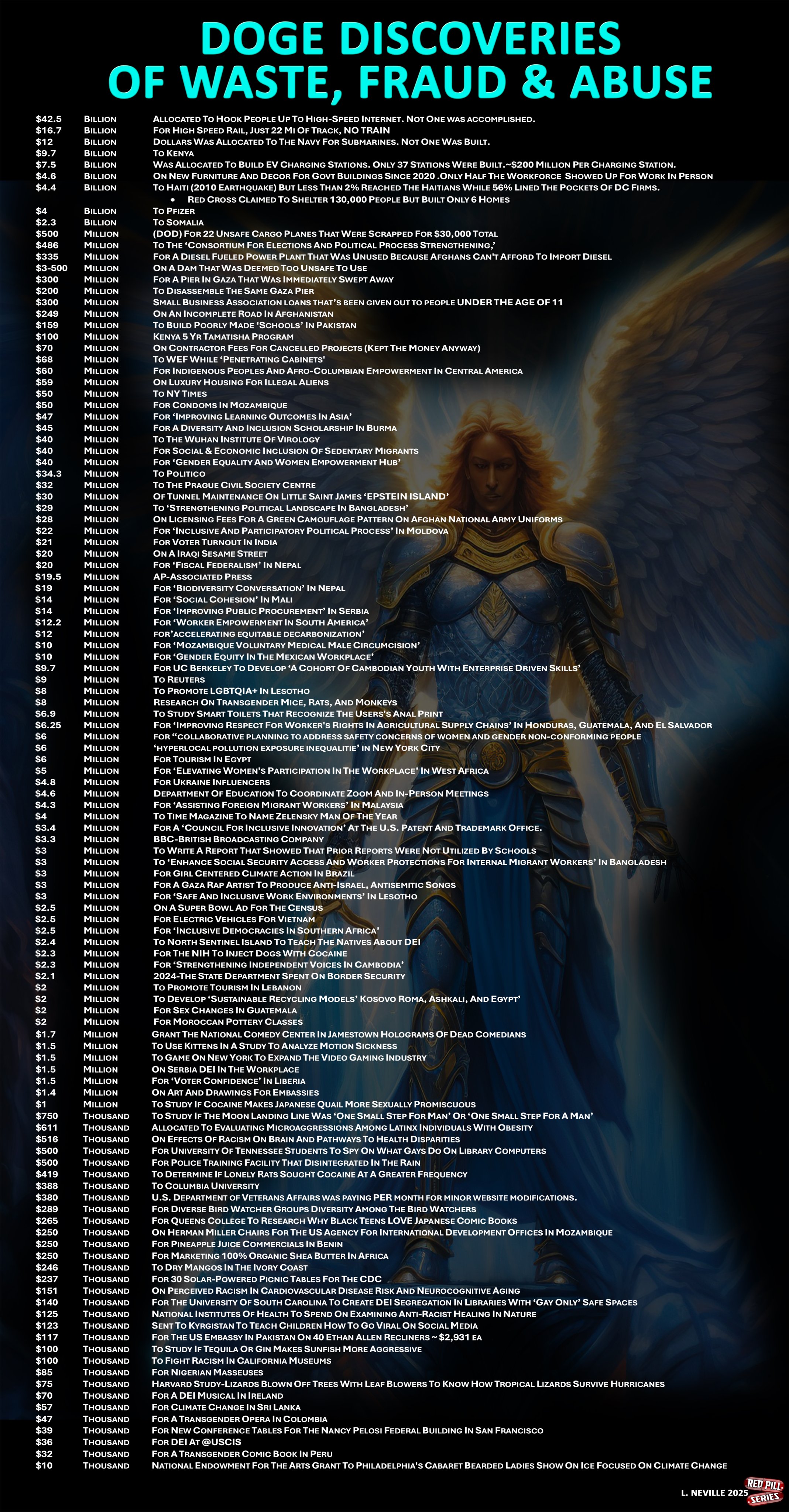
What melts my little old brain is that the Democrats were so OUTRAGED about the Fraud Discoveries and Americans seemed Oblivious to their Outrage. Why would any DECENT person be upset about the discovery of THEFT of their own money? pic.twitter.com/JGDGxEP3Vc