
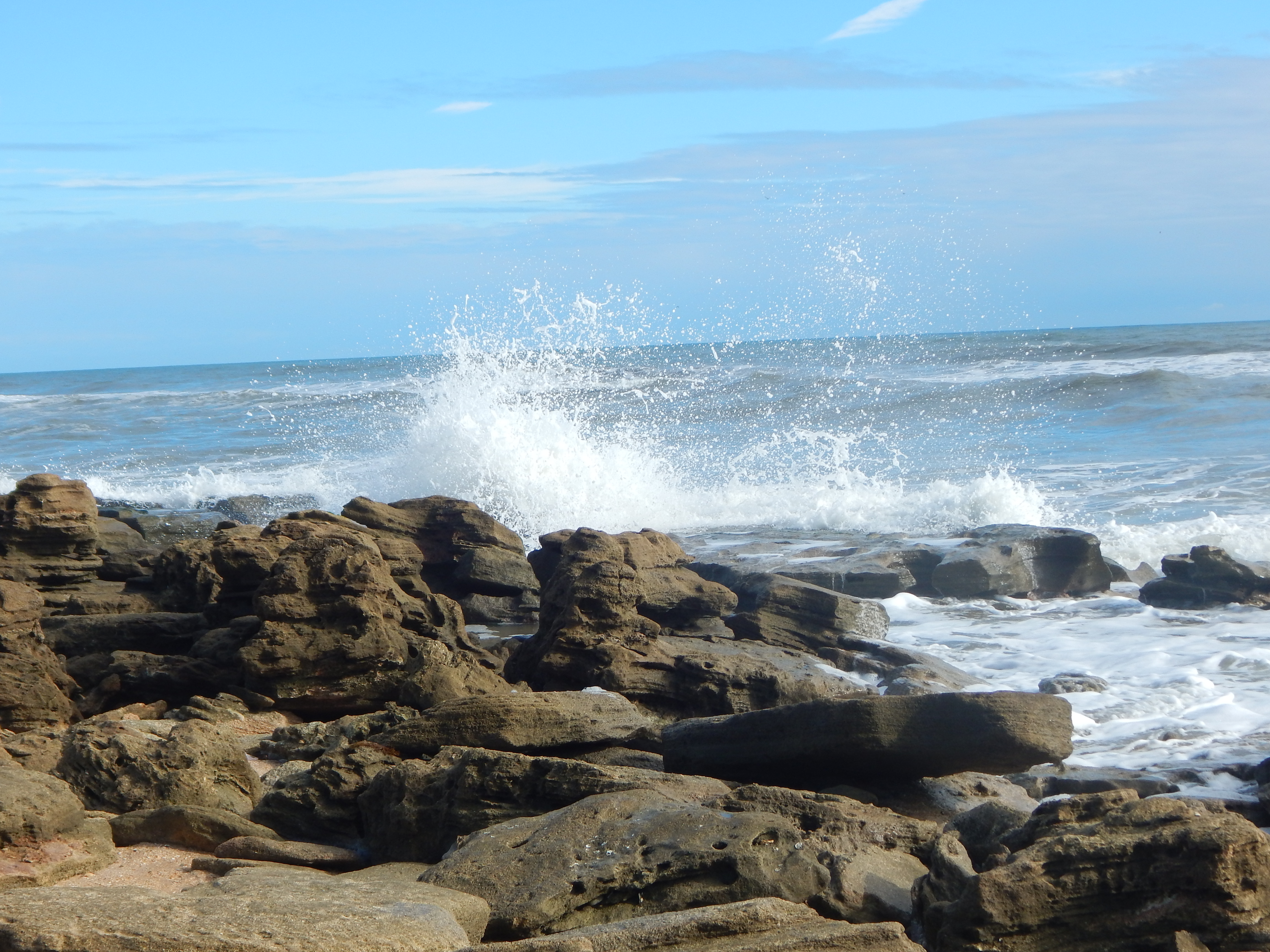
Today I ventured out on a tour of the Hammock area, north of Flagler Beach. I hit two beaches taking short walks, including Old Salt Beach, a county beach on the fringe of the exclusive Hammock Dunes residential area and golf club. Then, I wandered over to Sea to River Preserve and had the place practically to myself for a nice stroll through the hammock.
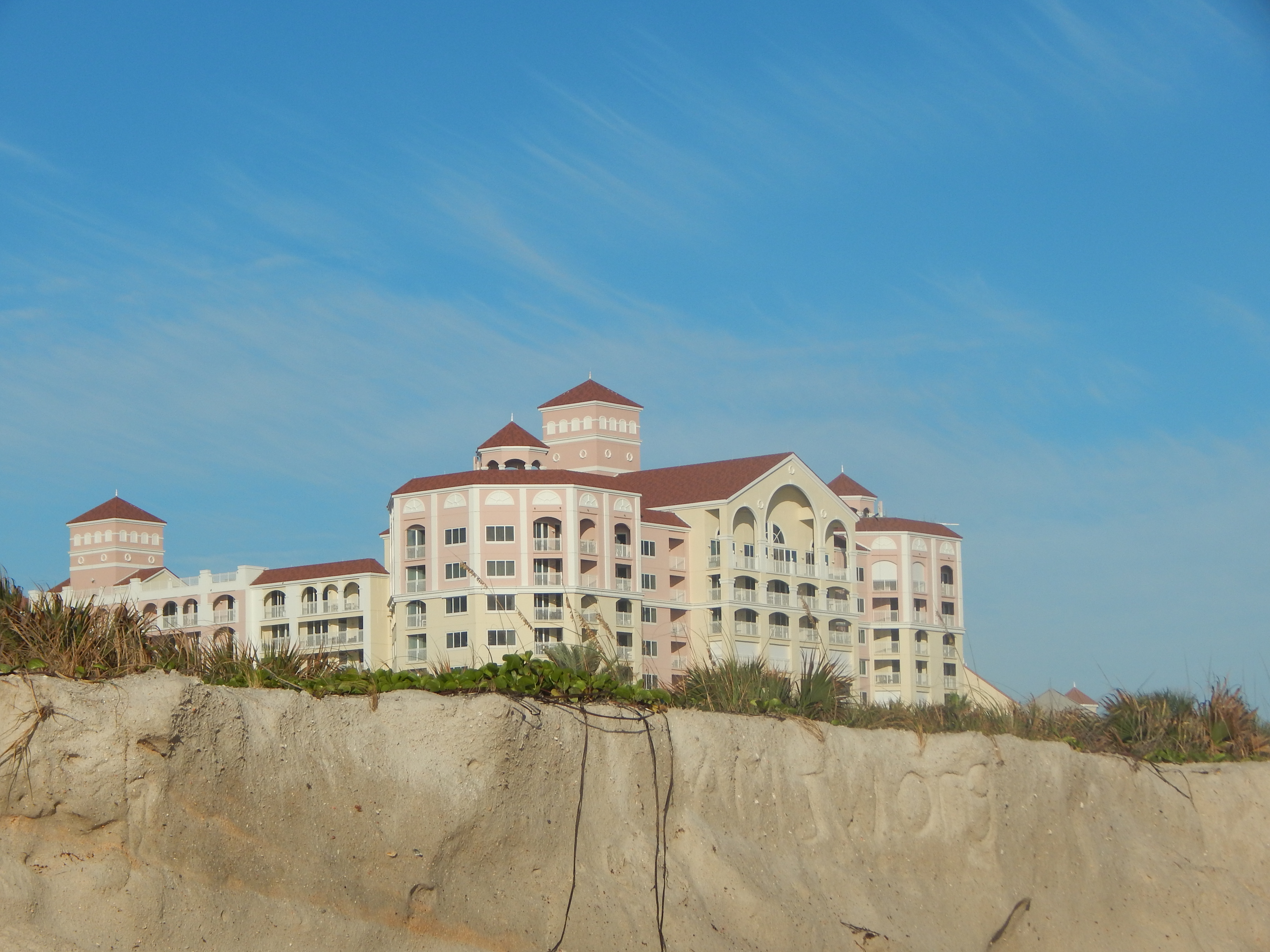
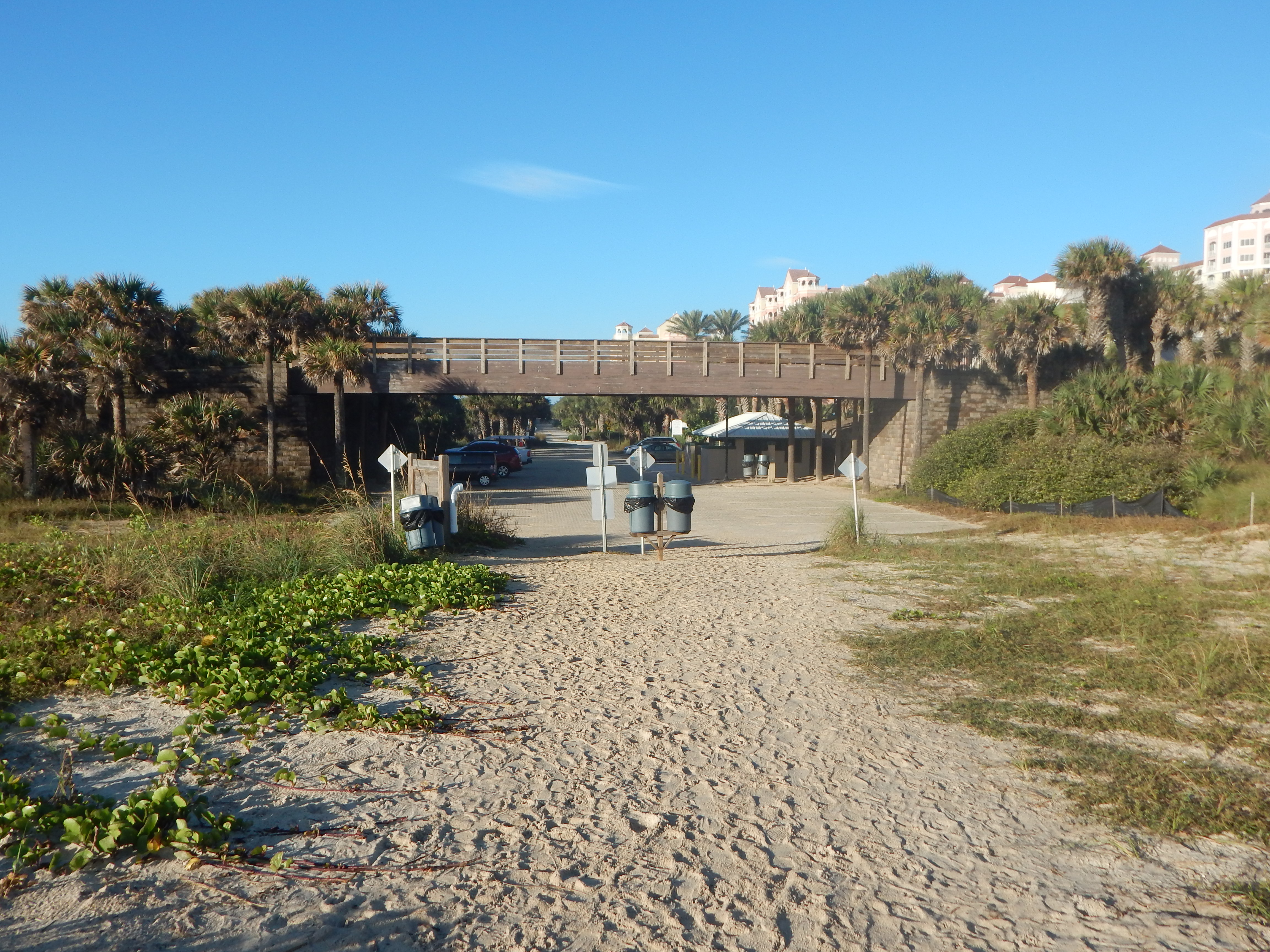
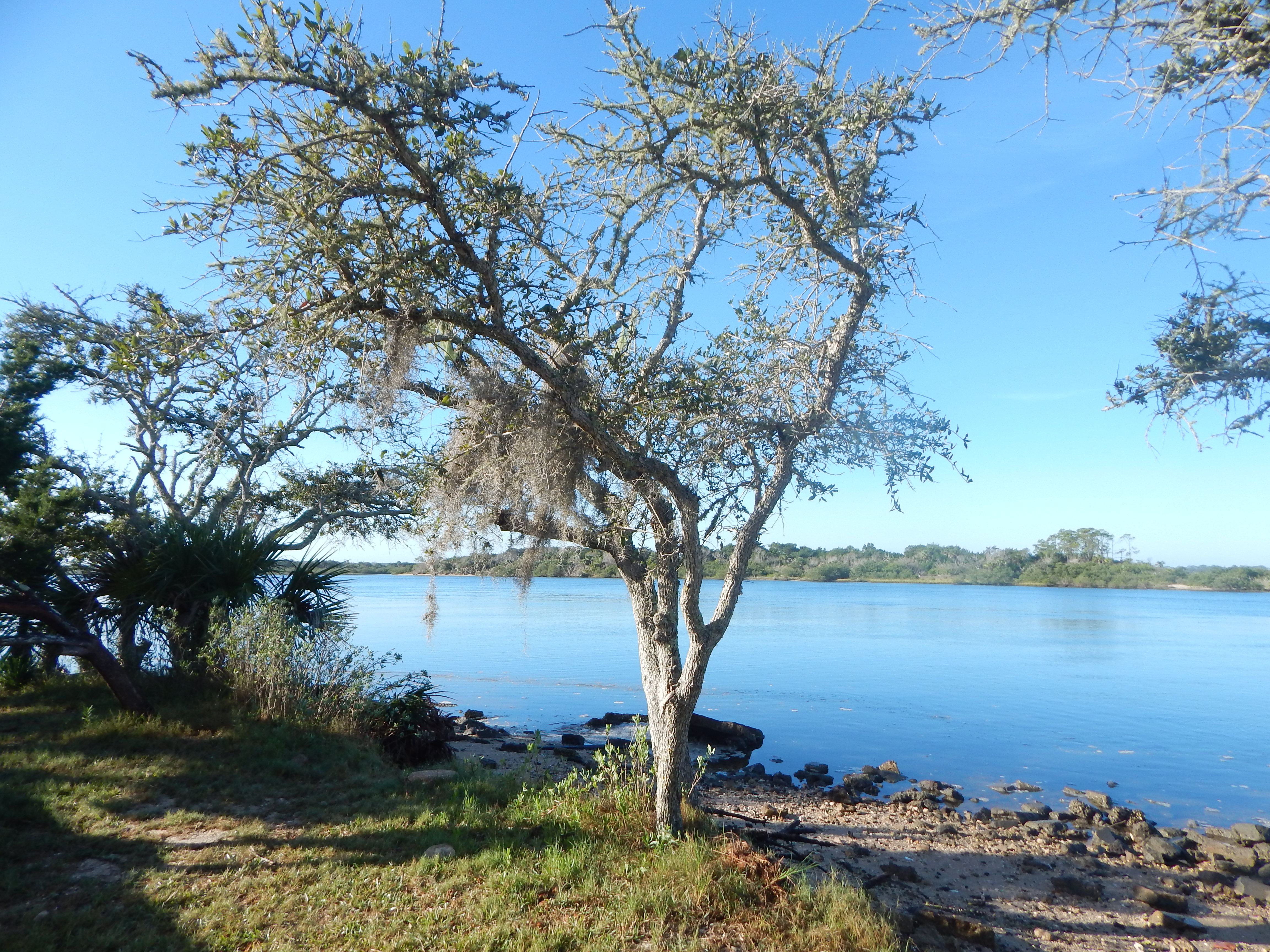
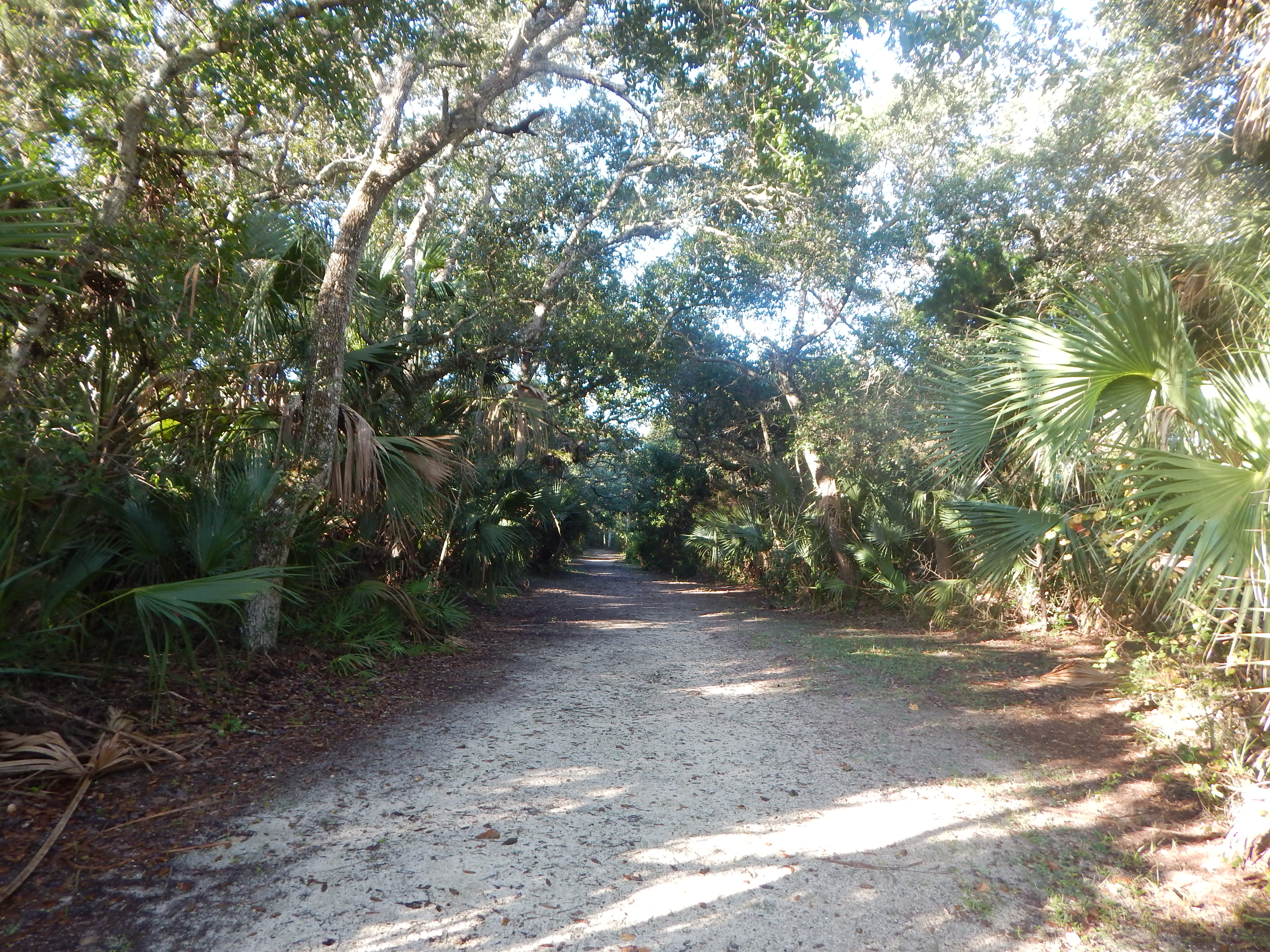
Despite the rain from last week, I only found a few places with outstanding puddles of water or high water levels. The coquina generally drains pretty fast, but there were still some large puddles I didn’t want to wade through with my sandals.
Wildlife noted, swarms of tiny crabs in a large puddle near some black mangroves, squirrels, osprey, anhinga, assorted tiny birds, and a dolphin chasing a school of fish in the intracoastal waterway.
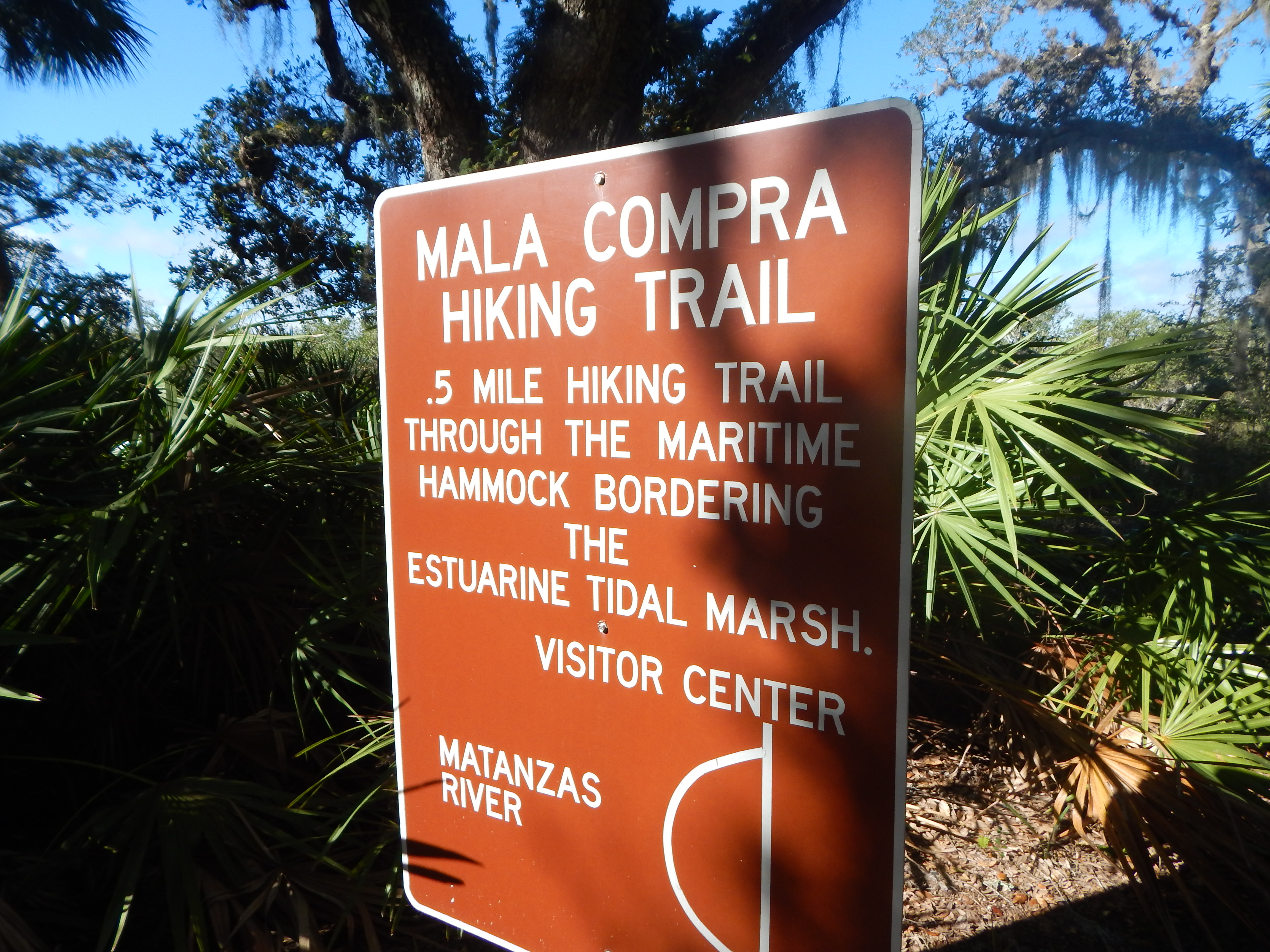
After River to Sea Preserve, I wandered back south to Washington Oaks Gardens SP, first visiting the beach area and walking to the coquina (photo at top of page) and then driving over to the main park. I walked down the Mala Compra Natural Trail and was pleasantly surprised to see updated photos of native plants lining the walkway. Laurel and Live oak, Magnolia grandiflora, beautyberry, Yaupon Holly, Resurrection Fern… are just some of the plants described along the walk.
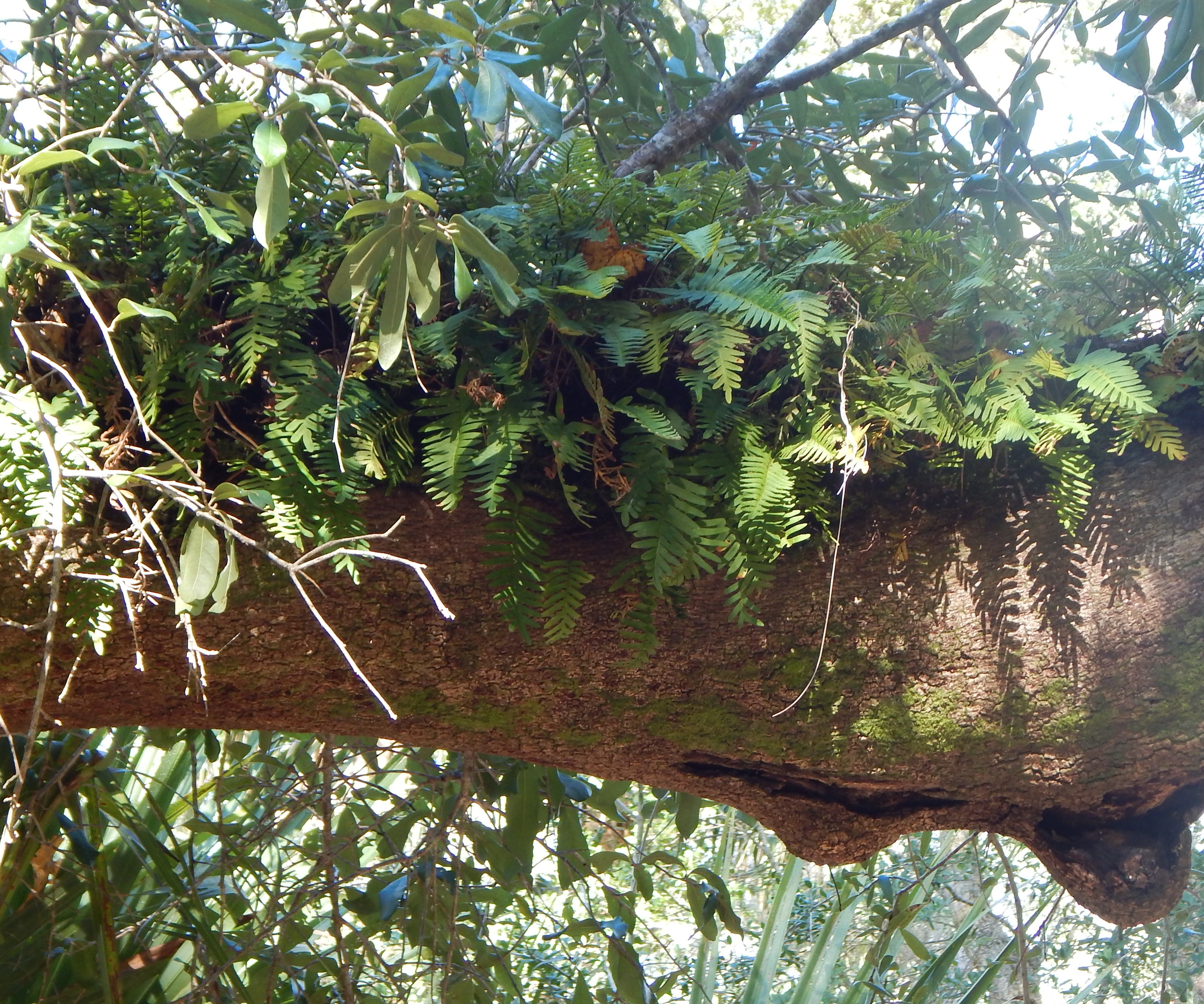
Some of the giant Live oaks hold entire ecosystems on their own, with ferns, Spanish moss, and still as yet unidentified plants growing on their lengthy limbs. The Resurrection Fern gets its name as it revives after a rainstorm and dries up when there is a drought. Saw palmetto and Sabal (Cabbage) palm are, of course, frequently found in these coastal hammocks. The hammocks are subject to periodic flooding during hurricanes. Whereas the oaks sometimes are killed by the brackish or salt water storm surges, the palms and saw palmetto soon grow back. The Yaupon holly and Eastern Red Cedar (an aromatic species of juniper) also have proven resilient in the sandy coastal hammock soils.
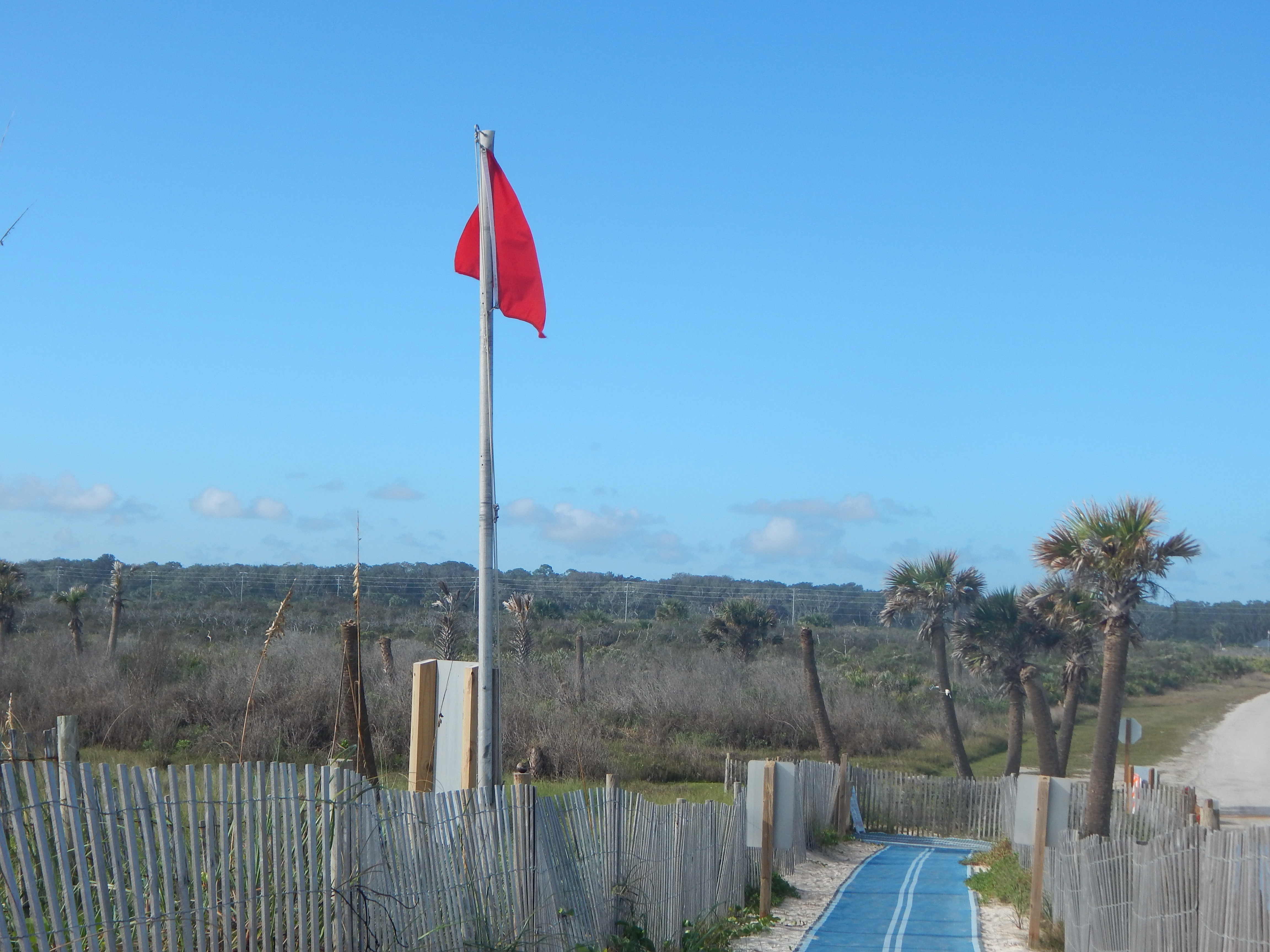
The winds were strong, the waves high (5 to 6 feet) with a strong undertow/riptide current. It is generally not recommended to swim in waters where coquina is found, as the rocks can shred your skin if you’re tossed against them. The sand or what passes for sand, really ground up shells, is also highly abrasive. I prefer to wear water sandals when walking on a cinnamon colored coquina beach. The sands are softer further south near Ormond Beach in case you’re wondering.
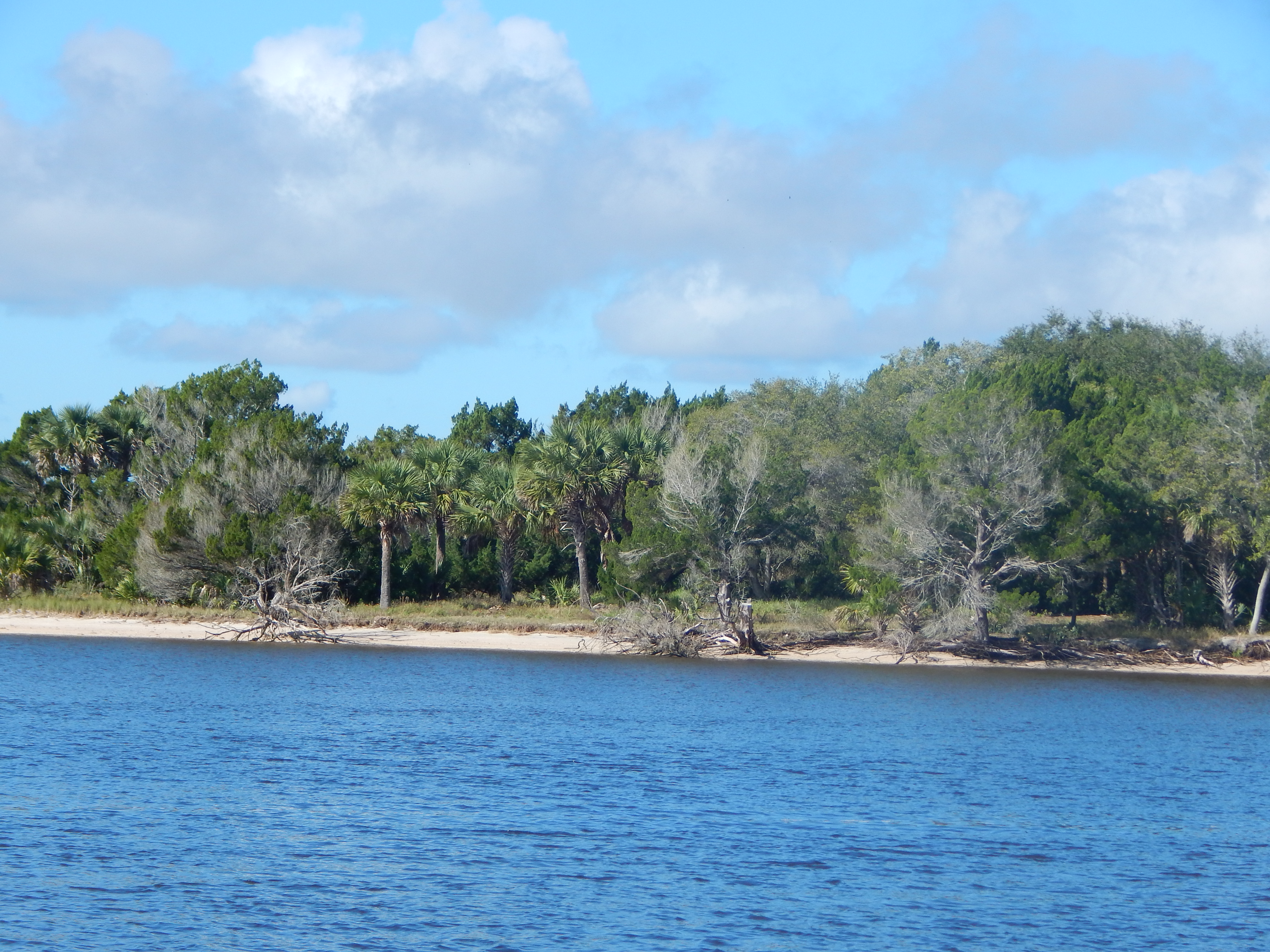
There are several islands on the Matanzas River and estuaries that break off from it leading to salt marshes and hidden coves. It looks like a marvelous place to explore (and get lost) if you have access to a small fishing boat or kayak. I did see a dophlin today while I sat next to the water.
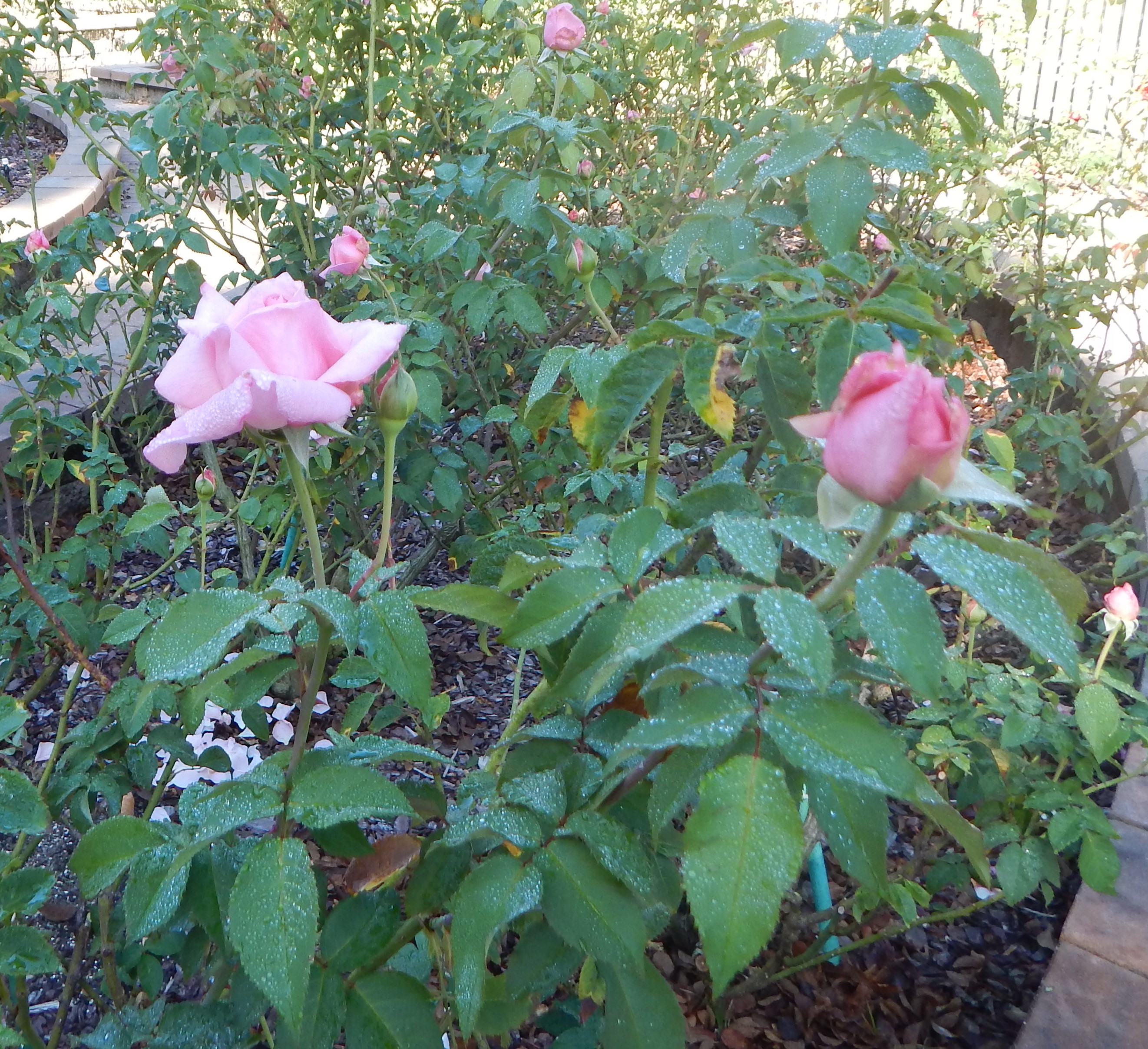
Dropping down into the formal Rose Garden, I ended my explorations and headed back to the car. I was hungry for Chinese food and later found some at Bamboo Creek near home.
It was a pleasant outing. Temps were in the lower to mid-70’s F, with light breezes except right on the ocean. There was some clouds building up over the ocean and some geoengineering going on… but the winds aloft were breaking up the chem trails.
When I drove through Flagler Beach, there was an odd kind of mist coming off the ocean, obscuring things. The weather was slightly warmer once I crossed the 100th Bridge to the mainland.
Hope you like the photos.
Eliza
Camera: Nikon Coolpix L830
Location: Flagler County
COMMENTS ON
 Sunny's Journal
thank you so very much, dear Eliza for all the amazing work that you have shared with us all.
It has been very much appreciated and has been a joy to be able to read such a diverse selection of articles. It will be greatly missed, by I am sure very many of us readers. I am forever grateful for all your time and effort spend on all of this.
thank you dear Eliza, I am wishing you well and a wonderful journey. With my very best wishes and love to you.
Trudy
LikeLike