

For the past two days we’ve experienced some sterling late winter weather. Yes, winter is wearing down and the temperatures are slowly crawling upwards. On Thursday, I headed to Princess Place Preserve to get a dose of big trees and then today, Friday, I made my way to Moses Creek Preserve, which is in St. Johns Country, just south of St. Augustine.

While at Princess Place, I did an enormous loop first at the old Hominy Branch Trailhead. The trail itself isn’t open right now, at least the hill portion, but the portion that goes along the entrance road and across the bridge is, so I followed that. Then, I followed the equestrian trail through the woods to the Green Trail and over to the trailhead for Legacy Trail. Then, I followed the sandy road back to the covered bridge and along the road back to my car. While I saw people passing by in their vehicles and spoke to one fisherman at the bridge, I really didn’t encounter too many folks out. Fishermen do seem to like the creeks as a lot of fish are present depending on the tides.

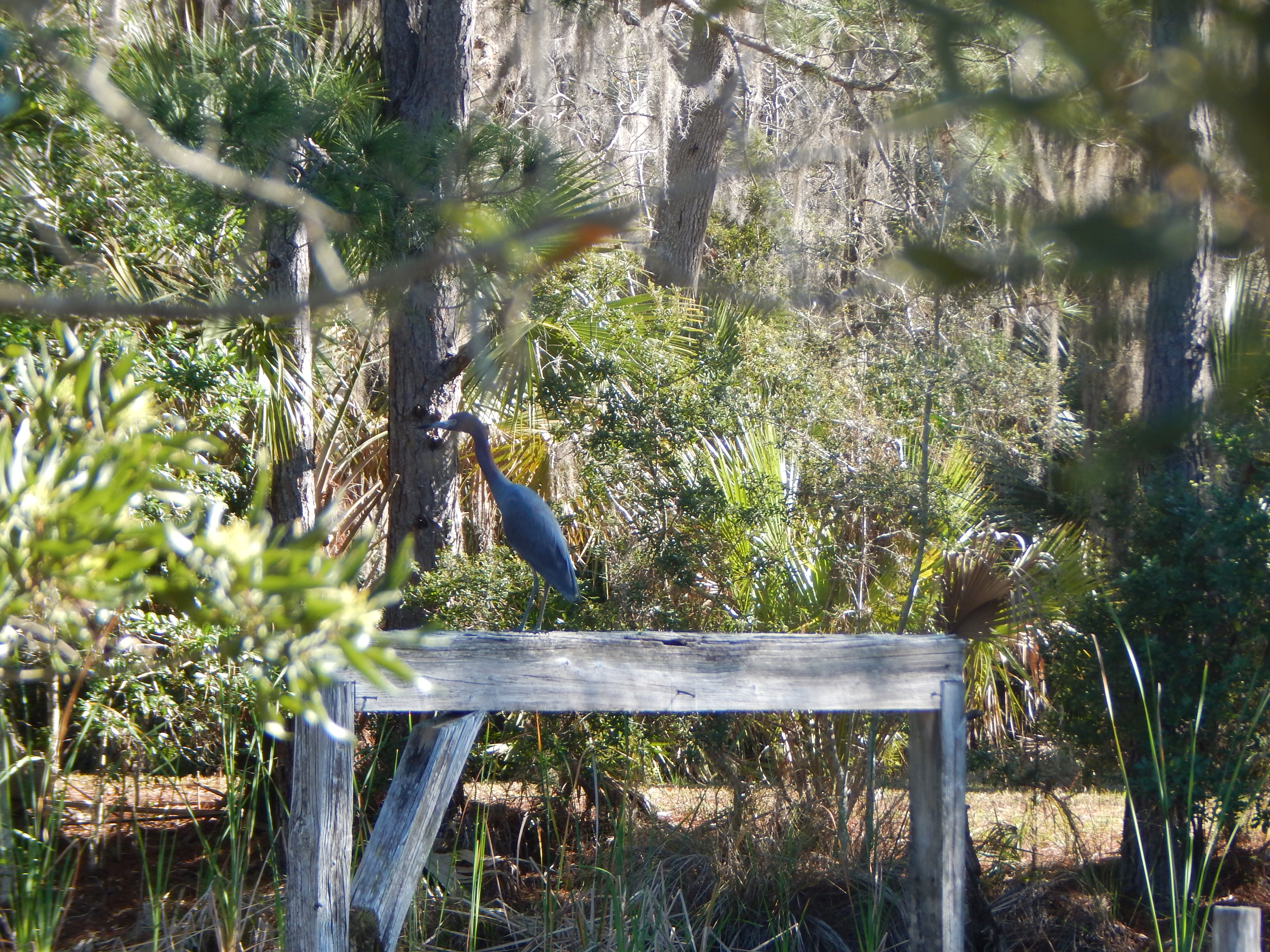


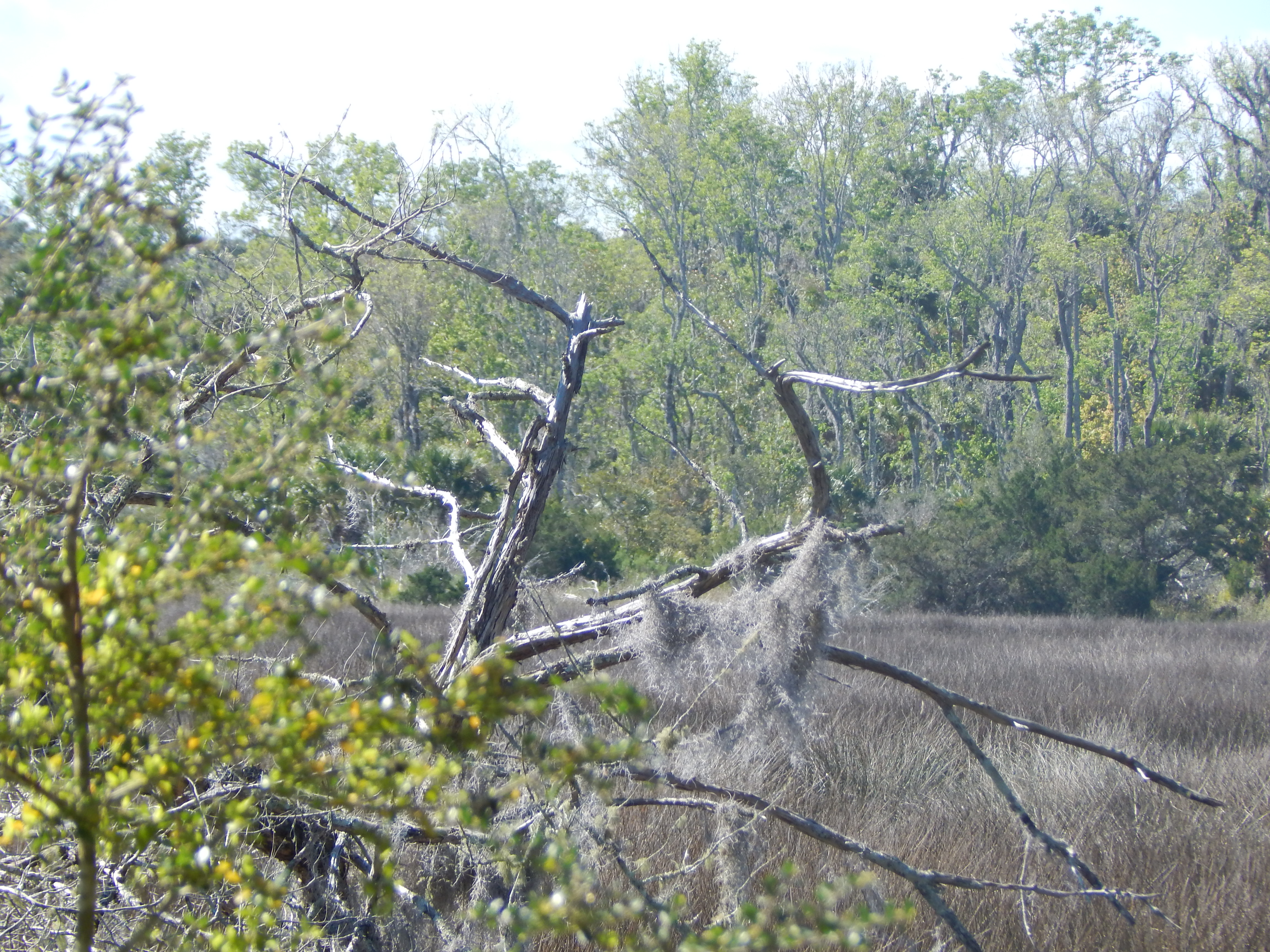
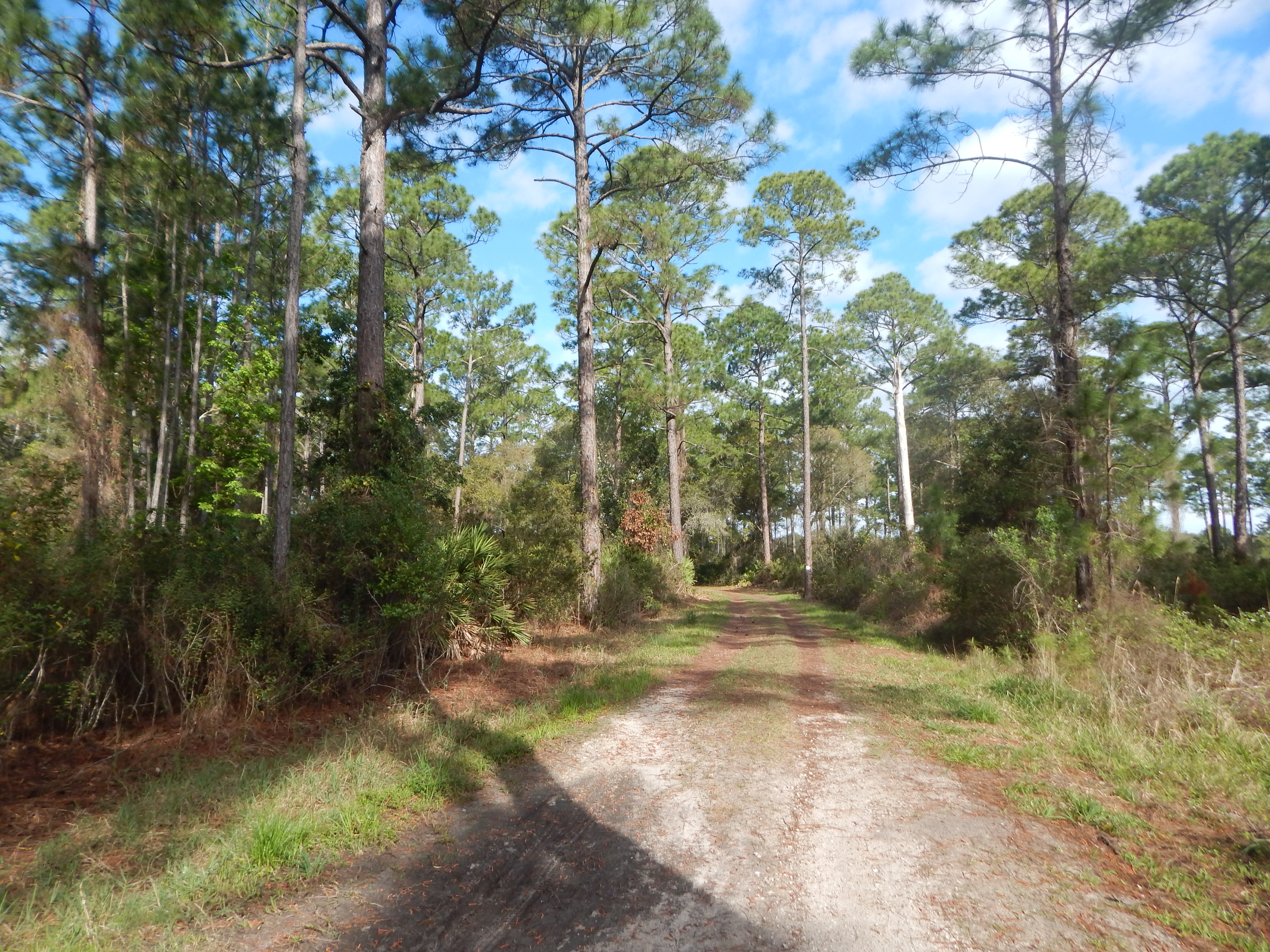


Moses Creek has about 12 miles of trail and a couple of camping spots. I probably hiked about four miles today.


While Moses Creek is a pleasant hike, you can still hear traffic on nearby SR 206 and A1A. From the picnic area on the creek, you can see Crescent Beach and the large houses that line the coast north of Fort Manzanas. Moses Creek feeds into the Manzanas River or Intracoastal Waterway. The area is especially popular with motorcyclists and you can hear the roar of engines from afar.

As the day progressed, the clouds starting building up. This weekend is supposed to have intermittent showers, plus a large storm plowing through from the Mid-west… Central and North Florida often catch the tail end of storms moving through from Texas, Louisiana, etc., and then out to sea.
Today I took the freeway part of the way coming and going. It saves a bit of time and gives my old girl (car) some exercise. After dumping a ton of $$ into her, she’s running pretty good now.
After reaching Palm Coast, I drove through the bumper to bumper traffic on Palm Coast Parkway (the road is a nightmare!) to our Cracker Barrel for a well-earned bite to eat. I think I hiked close to ten miles in the last two days!
I hope everyone has a pleasant weekend — as pleasant as possible right now.
Eliza
COMMENTS ON

P.S. Having some experience with wild blueberries from the Pacific Northwest and being familiar with the signs of the Ericaceae Family (Heaths), I was delighted to encounter at least three of its members today. One was an evergreen blueberry with large pinkish-white bell-shaped flowers. Another was a deciduous variety of blueberry, a bit shorter in height. Then, there was Lyonia which has tiny pinkish flowers; its berries are black and toxic. I also saw some wildflowers, which aren’t very common with all the coastal scrub being dominated by tall shrubs in sunny spots. Tiny wild violets are common although my camera doesn’t want to pick them up successfully. They’re violet and very cute.
**More about wild Florida blueberries:
Blueberries are native to eastern North America and are one of the few crop plants that originated here. The woods and swamps of Florida are populated with at least eight wild blueberry species, including highbush blueberry (Vaccinium corymbosum), rabbiteye blueberry (Vaccinium virgatum), and evergreen blueberry (Vaccinium darrowii). Wild blueberries are present nearly everywhere in Florida, except in areas where soil pH is above 6.0. This publication provides historical background on southern highbush blueberries (SHB), and information on specific UF/IFAS cultivars that can be a helpful resource for SHB growers. Table 1 provides information on plant and berry characteristics for certain cultivars.
https://edis.ifas.ufl.edu/publication/HS1245
https://en.wikipedia.org/wiki/Vaccinium_darrowii
So, many of the blueberries I found in the piney woods at Moses Creek Preserve are the evergreen Darrow blueberry. The plants were tall, over 7 feet, lanky and thick, covered with tiny white bell-like flowers, a dead give-away for anyone familiar with the Ericaceae family like I happen to be. Rhododendrons, azaleas, heathers, and blueberries all belong to this huge Family along many other beautiful plants.
There was also a deciduous blueberry growing alongside its evergreen cousin, which is shorter in its overall height. Both Darrow and Corymbosom blueberries have been hybridized by growers into commercial varieties and grow well in the SE United States.
 Sunny's Journal
I hope you get a chance to pick blueberries soon, and good to know about the Lyonia sort! Kind of like wild mushrooms… never picked them because I didn’t study up on the ones to avoid, but blueberries, oh yes, picked a lot of the delicious little ones when I lived in Ontario, and tiny wild strawberries, too. You’re averaging 4 to 5 miles on your walks and that’s so commendable! I go out every day, but it’s got to take me three days before I get close to a mile, depending on how deep the snow is. Spring soon and I’m looking forward to the blooming of your trees, flowers, etc. as much as I’m looking forward to our own here in Canada’s Pacific Southwest. Much love, Altea
LikeLike
When I was active in the Mountaineers (Puget Sound) we used to refer picking blueberries or huckleberries on our hikes as grazing. Moving from one berry patch to another. I sampled high bush and low. My favorites were the ground-hugging alpine huckleberries, fat and dusky blue. I would love to sample some of the local berries here. Blackberries grow here, too, and Beauty berries (purple). Spring has definitely arrived in Florida with the trees and shrubs pushing out new growth. Thanks, Altea, for everything. ~ Eliza
LikeLike
Hi Dear Eliza
A bit naughty of me to comment here about the most recent Ezra Cohen article sourced from x but would you please give us the link or site address to the 17 min video that is referenced? Thankyou
I do enjoy your walking stories and pictures and loved that reply to the commenter who asked about sounds and smells. You do have a gift for writing !
Kate
LikeLike
https://rumble.com/vec08l-by-the-book-presents…-bye-byedan-..the-landslide-brought-him-down…html
Sorry, I should have included that in the post. The video is on the post now.
Thanks for your comment.
~ Eliza
LikeLike